

Why Bricks Builder Is The Future Of WordPress Website Development
June 16, 2026
June 16, 2026 Bilal Malik
Introduction Designing a website in Figma is only the first step. The real challenge is transforming that design into a fast, responsive, and user-friendly website. Understanding The Design System Before development begins, designers and developers should establish typography, colors, spacing, and component structures. This ensures consistency throughout the project. Building Reusable Components Using reusable sections…
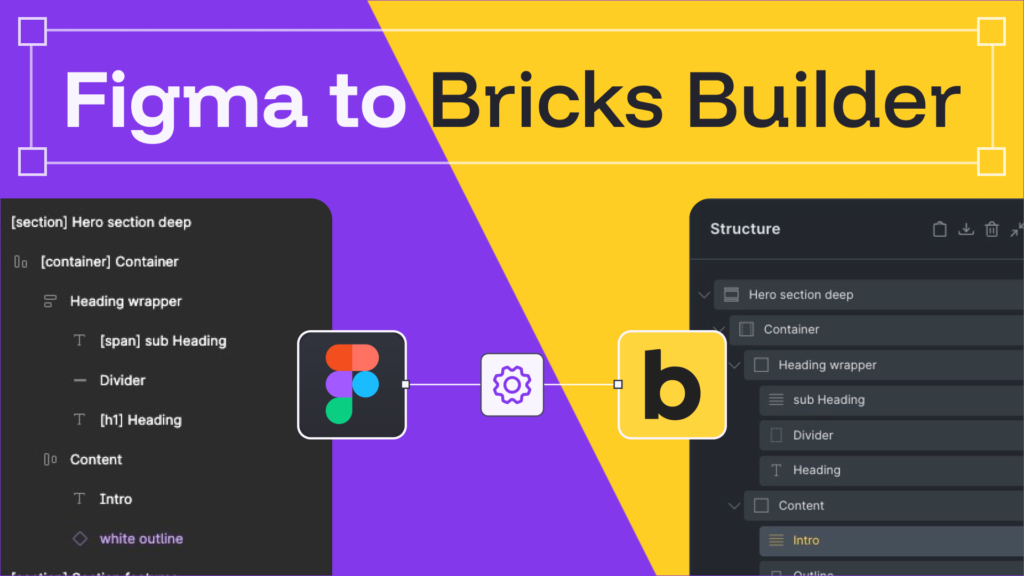
Designing a website in Figma is only the first step. The real challenge is transforming that design into a fast, responsive, and user-friendly website.
Before development begins, designers and developers should establish typography, colors, spacing, and component structures. This ensures consistency throughout the project.
Using reusable sections such as headers, buttons, cards, and testimonials can dramatically reduce development time while maintaining design accuracy.
Every design should be tested across desktop, tablet, and mobile devices. A responsive layout improves usability and helps deliver a better user experience.
Before launch, developers should test forms, links, page speed, responsiveness, and browser compatibility to ensure everything works perfectly.
A well-executed Figma-to-Bricks workflow allows businesses to launch beautiful websites without sacrificing speed or functionality.
Book a free 30-minute consultation and get a scoped quote within 24 hours.
Join 50+ businesses who trust us with their web development. Let’s create something exceptional together.